
C5 Resin (for HMA, PSA, tapes and rubber)
Aromatic-modified aliphatic C5 hydrocarbon resins from naphtha thermal cracking, with well-balanced pressure-sensitive adhesive properties.
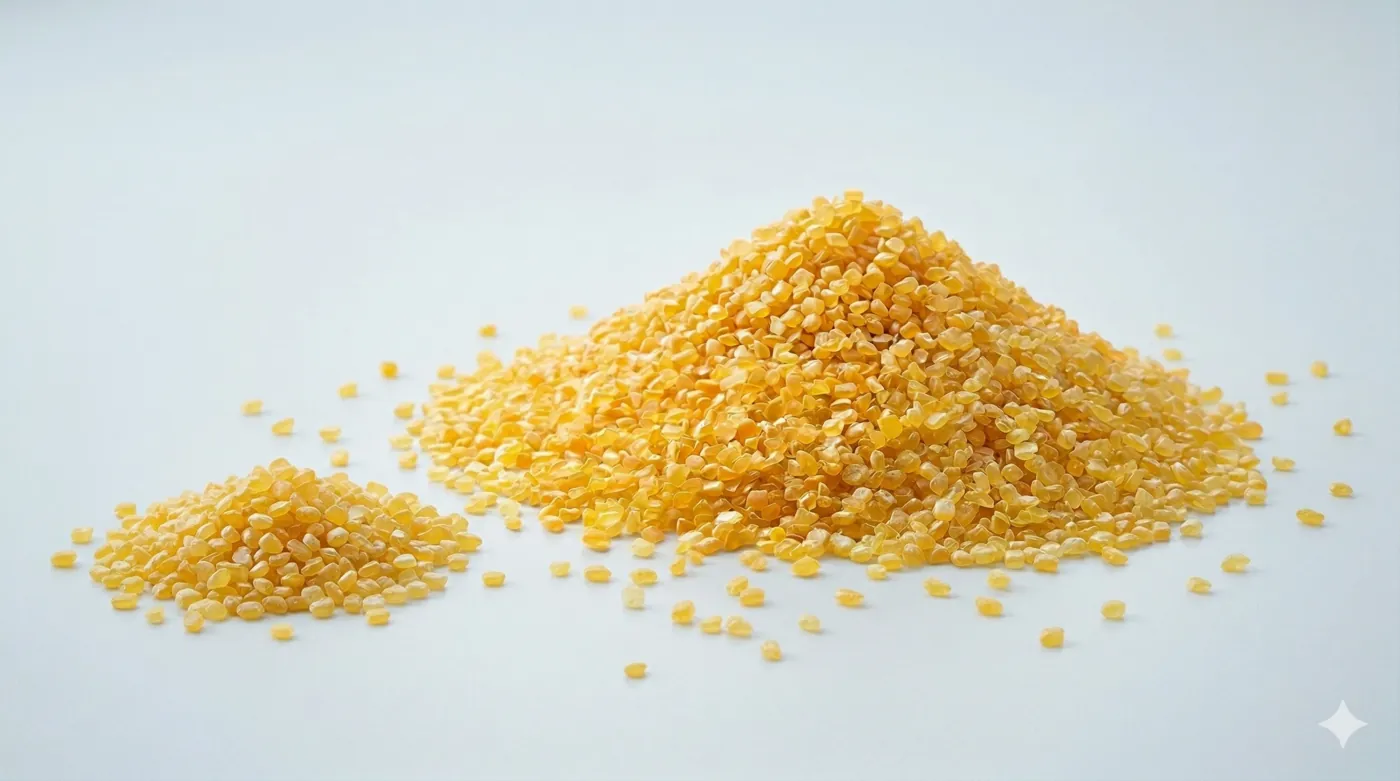
Key properties
- Softening point 90–117 °C (grade dependent)
- Colour (Gardner) max. 3–9
- Melt viscosity 50–500 cps (200 °C)
- Good compatibility with base elastomers
Technical data & grades
| Grade | Grade 1 | Grade 2 | Grade 3 | Grade 4 | Grade 5 | Grade 6 | Grade 7 | Grade 8 | Grade 9 |
|---|---|---|---|---|---|---|---|---|---|
| Colour, Gardner | ≤ 9 | ≤ 9 | ≤ 3 | ≤ 4 | ≤ 3 | ≤ 3 | ≤ 3 | ≤ 3 | ≤ 5 |
| Softening point, °C | 95–105 | 90–96 | 90–95 | 96–105 | 96–105 | 96–105 | 96–105 | 90–96 | 110–117 |
| Melt viscosity 200 °C, cps | 70–150 | 50–100 | 70–100 | ≤ 200 | ≤ 200 | 100–150 | 100–150 | 70–150 | 300–500 |
Typical values, not a specification. Grade numbers are Chemistis internal references; commercial grade names and the batch certificate of analysis (CoA) are shared at quotation stage.
Applications
Industries
More in this family
C5 Resin for Road Marking Paint
Light-coloured, odourless C5 aliphatic petroleum resin polymerised from unsaturated aliphatic olefins and diolefins formed in naphtha thermal cracking. Used in thermoplastic road-marking paint.
Details →C9 Aromatic Resin (for paints, inks, rubber and HMA)
Low-molecular-weight thermoplastic aromatic petroleum resin produced from C9 distillate, a by-product of ethylene plants; a light-yellow transparent solid.
Details →C5/C9 Copolymer Resin
Aliphatic-modified aromatic tackifying resin made by copolymerising C5 and C9 fractions, with good elastomer compatibility and heat stability in hot-melt applications.
Details →